Yaki Udon Noodle Recipe – Japanese Stir Fry Comfort
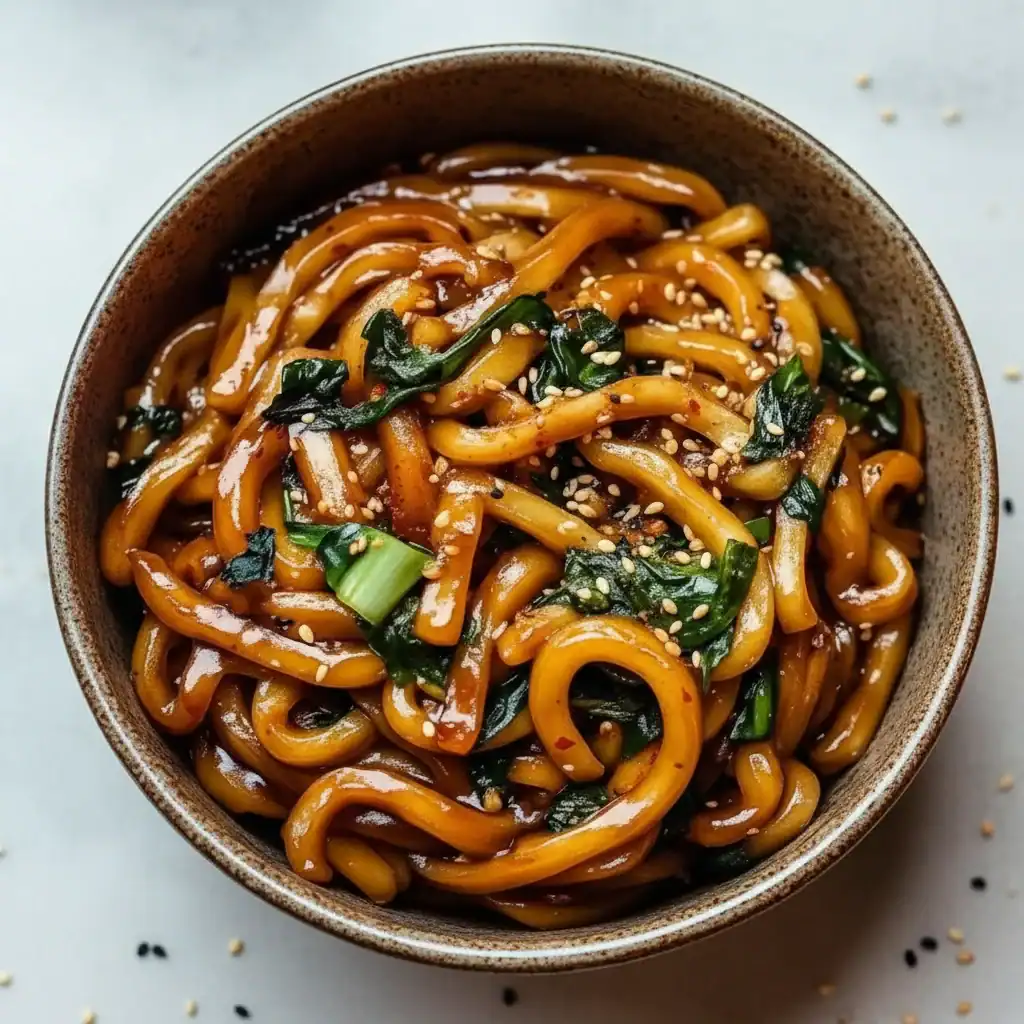
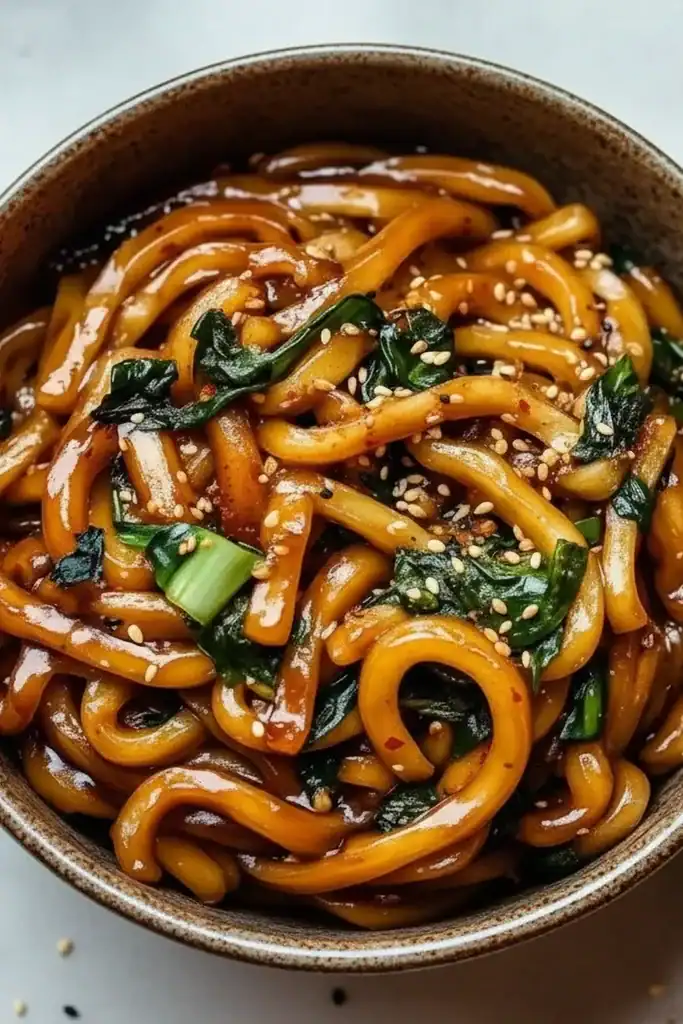
There is a special kind of satisfaction that comes from a bowl of thick, chewy noodles, glistening with a deeply savoury sauce and tangled with crisp vegetables and tender protein. That’s exactly what this Yaki Udon noodle recipe delivers. It’s a classic Japanese stir-fry that has become a staple in our house for busy weeknights when we want something truly delicious without spending hours in the kitchen. I’ve been making this for over 3 years, and it never disappoints.
Unlike ramen with its complex broth, the magic of Yaki Udon lies in its simplicity and the wonderful texture of the udon noodles themselves. They are thick, soft, and have an incredible chew that makes every bite so rewarding. We’re coating them in a sauce that is the perfect balance of salty, sweet, and umami, which caramelises slightly in the hot pan. This udon noodle recipe is ideal for anyone who loves a flavour-packed stir-fry that comes together in about 30 minutes, transforming a handful of fresh ingredients into a meal that feels like a real treat.
Recipe Overview
This Yaki Udon recipe is all about the glorious combination of chewy noodles, succulent king prawns, and vibrant vegetables, all brought together with a glossy, savoury sauce. The flavour profile is distinctly Japanese, with soy sauce providing a salty depth, mirin adding a subtle sweetness, and oyster sauce giving it a wonderful umami richness. I’ve found through testing that using frozen udon noodles gives the best texture – they are bouncier and less prone to breaking than the vacuum-packed kind.
- Prep Time: 15 minutes
- Cook Time: 15 minutes
- Total Time: 30 minutes
- Servings: 4 people
- Difficulty: Easy
Why You’ll Love This Yaki Udon Noodle Recipe
- Genuine Flavour: The sauce achieves a wonderful balance. The salty kick from the soy sauce is softened by the sweet mirin, while the oyster sauce adds a deep, savoury note that clings to every single noodle. It tastes authentic and satisfying.
- Ready in Under 30 Minutes: From chopping the first vegetable to serving up steaming bowls, this entire dish comes together in half an hour. It’s a fantastic meal for those evenings when time is short but you still want something wholesome.
- Flexible Recipe: Don’t have prawns? Sliced chicken thigh, beef strips, or even firm tofu work beautifully. You can swap the vegetables based on what’s in your fridge – broccoli florets, sliced peppers, or mangetout are all great additions.
- Great for Weeknight Dinners: Because it’s so quick and uses relatively common ingredients, it has become one of our go-to meals. It’s a complete meal in one pan, which also means less washing up!
- Family Tested: This recipe always gets compliments. My husband, who’s usually picky about noodle dishes, asked for seconds the first time I made this exact version!
Ingredients You’ll Need
For the sauce, I highly recommend using a good quality Japanese soy sauce like Kikkoman, as its flavour is more rounded and less harsh than some other varieties. It really makes a difference to the final taste of your stir fry udon.
- 4 portions (approx. 800g) frozen Sanuki udon noodles
- 1 tbsp vegetable or rapeseed oil
- 2 cloves garlic, finely minced
- 2cm piece of fresh ginger, grated
- 1 medium onion, thinly sliced
- 1 large carrot, julienned or thinly sliced
- 150g shiitake mushrooms, sliced
- 400g raw king prawns, peeled and deveined
- 1 head of bok choy, leaves separated and washed
- For the Sauce:
- 4 tbsp soy sauce
- 2 tbsp mirin
- 2 tbsp oyster sauce
- 1 tsp granulated sugar
- For the Topping:
- 2 spring onions, finely sliced
- 1 tsp toasted sesame seeds
- (Optional) Katsuobushi (bonito flakes) for sprinkling
Sara’s Tip: If you can’t find frozen udon, the vacuum-packed ones will work. Just be gentle when you separate them in the hot water, as they can be a bit more fragile. I find soaking them in a bowl of very hot tap water for a few minutes is often enough to loosen them.
How to Make Yaki Udon Noodles
The key to a great stir-fry is having everything prepared before you start cooking, as things move very quickly once the pan is hot. We call this ‘mise en place’ and it’s a lifesaver for recipes like this.
- Prepare the Noodles and Sauce: Cook the udon noodles according to the package instructions. This usually involves boiling them for just 1-2 minutes until they separate and are heated through. Drain immediately in a colander and rinse with cold water to stop the cooking process. Set aside. In a small bowl or jug, whisk together the soy sauce, mirin, oyster sauce, and sugar. Set this aside too.
- Sauté the Aromatics: Heat the oil in a large frying pan or wok over a medium-high heat. Once it’s shimmering, add the sliced onion and stir-fry for 2-3 minutes until it starts to soften. Add the minced garlic and grated ginger and cook for another minute until fragrant.
- Cook the Prawns: Add the peeled king prawns to the pan. Cook for 2-3 minutes, stirring frequently, until they turn pink and are just cooked through. Be careful not to overcook them. Remove the prawns from the pan and set them aside on a plate.
- Stir-fry the Vegetables: Add the sliced carrots and shiitake mushrooms to the same pan. Stir-fry for 4-5 minutes until the carrots are crisp-tender and the mushrooms have softened and taken on a little colour.
- Add the Greens: Add the bok choy leaves to the pan and cook for 1-2 minutes, just until they have wilted but still retain a bit of crunch.
- Combine Everything: Return the cooked prawns to the pan along with the drained udon noodles. Pour the prepared sauce all over the noodles and vegetables.
- Toss and Serve: Using tongs, gently toss everything together for 1-2 minutes, ensuring the noodles and all the ingredients are thoroughly coated in the glossy sauce and heated through. What works best for me is to lift and turn the noodles from the bottom to avoid breaking them.
- Garnish and Enjoy: Divide the yaki udon noodles among four bowls. Garnish generously with sliced spring onions, toasted sesame seeds, and a sprinkle of bonito flakes if you’re using them. Serve immediately.
Tips From My Kitchen
- Temperature Control: A hot pan is essential for a good stir-fry. Make sure your pan is properly heated before you add any ingredients. This allows the vegetables to sear and cook quickly, keeping them crisp rather than turning soggy.
- The Secret Step: I learned that rinsing the cooked udon noodles in cold water is a crucial step. It not only stops them from overcooking but also washes off excess starch, which helps prevent them from clumping together in the pan.
- Make-Ahead: To save time, you can chop all your vegetables, mince the garlic and ginger, and mix the sauce ingredients up to a day in advance. Store them in separate airtight containers in the fridge. This makes the final cooking process incredibly fast.
- Storage: Leftover yaki udon can be stored in an airtight container in the refrigerator for up to 2 days. Reheat gently in a pan with a splash of water or in the microwave. The noodles will soften a little upon reheating, but the flavour will still be fantastic.
Equipment You’ll Need
- Large pot for boiling noodles
- Colander
- Large frying pan or a wok
- Tongs for tossing
- Small bowl or jug for the sauce
Common Mistakes to Avoid
- Overcrowding the pan: If you put too many ingredients in the pan at once, the temperature will drop and your food will steam instead of fry. This results in soft, pale vegetables. If your pan isn’t large enough, it’s better to cook the ingredients in batches and combine them at the end.
- Overcooking the Noodles: Udon noodles cook very quickly, especially the frozen kind. Follow the package directions precisely—it’s often just a minute or two. Overcooked udon becomes mushy and loses its signature chewy bite, which is the best part of the dish!
- Adding the Sauce Too Early: The sauce contains sugar (from the mirin and the added sugar) which can burn if added to the pan too early and cooked for too long. Add it right at the end when all the other ingredients are cooked, and just toss to coat and heat through.
Delicious Variations to Try
One of the best things about this udon noodle recipe is how adaptable it is. Feel free to experiment based on your preferences or what you have available.
- Spicy Yaki Udon: For a bit of heat, add a teaspoon of chilli garlic sauce or a pinch of red pepper flakes to the sauce mixture. You could also add some freshly sliced red chilli along with the garlic and ginger.
- Vegetarian/Vegan Option: Swap the prawns for cubes of firm tofu or tempeh (pan-fry them first until golden). To make the sauce vegan, simply use a vegan oyster sauce substitute, which is usually made from mushrooms and widely available.
- Different Protein: This recipe works wonderfully with thinly sliced chicken thighs, pork belly, or beef sirloin strips. Just be sure to adjust the cooking time for whichever protein you choose. If you’re a fan of fusion flavours, you could even try it with the chicken from my Bang Bang Chicken Thighs recipe.
What to Serve With Your Yaki Udon Noodles
This dish is a complete meal on its own, but if you’d like to serve it as part of a larger spread, here are a few ideas:
- Miso Soup: A small bowl of classic miso soup is a light and savoury starter that complements the flavours of the yaki udon perfectly.
- Gyoza: A side of pan-fried Japanese dumplings (gyoza) makes for a brilliant accompaniment, adding another texture to the meal.
- Japanese Beer or Sake: A crisp, cold Japanese lager like Asahi or Sapporo cuts through the richness of the sauce, while a glass of chilled sake also pairs beautifully.
Frequently Asked Questions
Yaki Udon Noodle Recipe
Ingredients
Method
- Prepare the Noodles and Sauce: Cook the udon noodles according to the package instructions. This usually involves boiling them for just 1-2 minutes until they separate and are heated through. Drain immediately in a colander and rinse with cold water to stop the cooking process. Set aside. In a small bowl or jug, whisk together the soy sauce, mirin, oyster sauce, and sugar. Set this aside too.
- Sauté the Aromatics: Heat the oil in a large frying pan or wok over a medium-high heat. Once it’s shimmering, add the sliced onion and stir-fry for 2-3 minutes until it starts to soften. Add the minced garlic and grated ginger and cook for another minute until fragrant.
- Cook the Prawns: Add the peeled king prawns to the pan. Cook for 2-3 minutes, stirring frequently, until they turn pink and are just cooked through. Be careful not to overcook them. Remove the prawns from the pan and set them aside on a plate.
- Stir-fry the Vegetables: Add the sliced carrots and shiitake mushrooms to the same pan. Stir-fry for 4-5 minutes until the carrots are crisp-tender and the mushrooms have softened and taken on a little colour.
- Add the Greens: Add the bok choy leaves to the pan and cook for 1-2 minutes, just until they have wilted but still retain a bit of crunch.
- Combine Everything: Return the cooked prawns to the pan along with the drained udon noodles. Pour the prepared sauce all over the noodles and vegetables.
- Toss and Serve: Using tongs, gently toss everything together for 1-2 minutes, ensuring the noodles and all the ingredients are thoroughly coated in the glossy sauce and heated through. What works best for me is to lift and turn the noodles from the bottom to avoid breaking them.
- Garnish and Enjoy: Divide the yaki udon noodles among four bowls. Garnish generously with sliced spring onions, toasted sesame seeds, and a sprinkle of bonito flakes if you're using them. Serve immediately.
Notes
I really hope you enjoy making this Yaki Udon recipe. It’s a dish full of comforting textures and deeply satisfying flavours that has brought a lot of joy to our dinner table. If you give it a try, please let me know how it turned out in the comments below. I love hearing from you! Happy cooking!
– Sara